
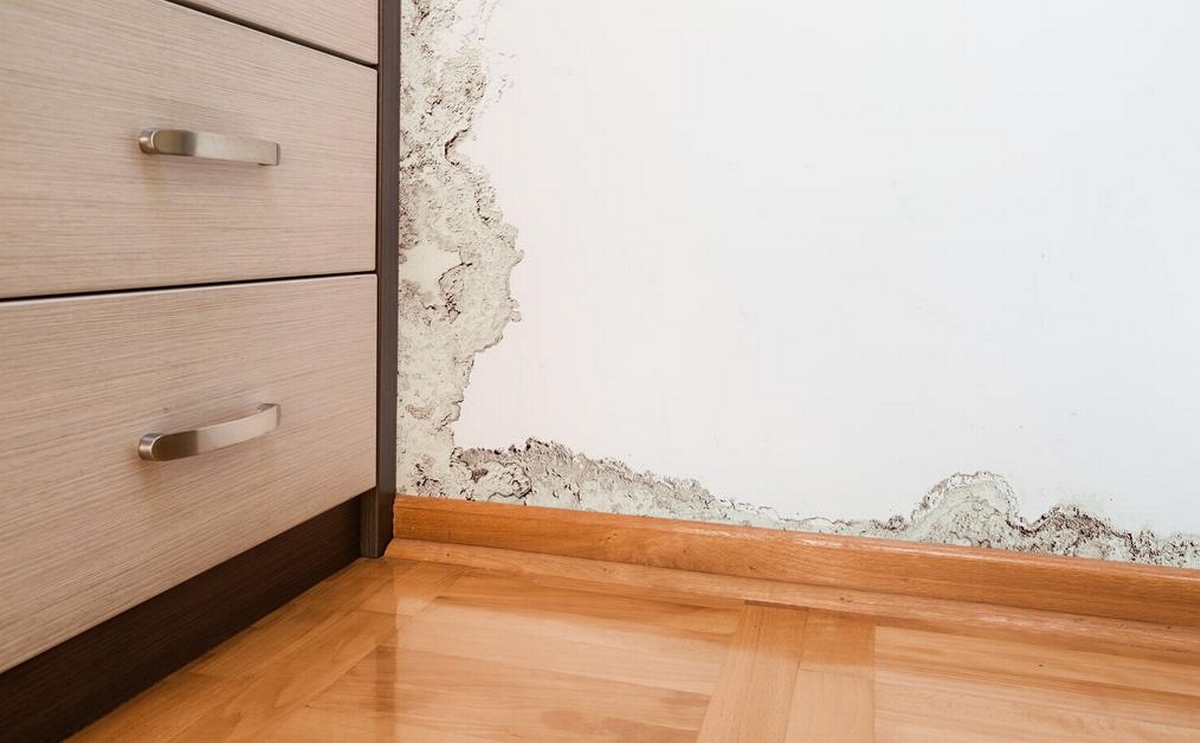
When winter approaches and temperatures drop, homeowners often wonder, "Does cold kill mold?" The idea that frigid air might work in their favor by eradicating this common issue is appealing. Especially for those in Fort Wayne, IN, where cold winters are part of the climate landscape. Mold is more than just an unsightly nuisance. It's a potential health hazard. Left unchecked, it can lead to costly damage. That’s where damage restoration services in Fort Wayne become crucial, helping residents maintain a safe and healthy living environment.
Many assume that freezing temperatures can effectively eliminate mold, but is this really the case? Understanding the interplay between temperature and mold growth is essential for homeowners who wish to protect their living spaces. This blog post will dive deep into the relationship between cold weather and mold, providing insights into whether the chill of winter is truly a remedy.
Understanding Mold Growth
Mold spores are everywhere. This isn’t an exaggeration. They are a natural part of the environment and often play a vital role in breaking down organic matter. However, when these spores settle in homes and basements, they can become a problem. Mold thrives in damp, warm conditions. It needs moisture, a food source like wood or drywall, and a suitable temperature to flourish.
Typically, mold grows best in temperatures between 77°F and 86°F. But this doesn't mean cold temperatures are always a deterrent. Many types of mold can survive and remain dormant at much lower temperatures. Once conditions become favorable again, such as when homes are heated for winter, these dormant spores can reactivate and begin to grow.
Does Cold Kill Mold?
So, does cold kill mold? Unfortunately, the answer is not straightforward. Cold temperatures can indeed inhibit mold growth by slowing down its metabolic processes. However, unless temperatures are sustained well below freezing for an extended period, this will not kill mold. Most mold species are hardy and can withstand a range of harsh conditions. Once temperatures rise again, if moisture is still present, mold will continue to grow.
For example, consider a damp basement in Fort Wayne, IN, where winter temperatures can drop significantly. While the cold might stall mold growth, it won't eradicate the spores completely. These spores can go dormant until warmer and more humid conditions return, such as during a humidifier’s use in the winter or during the spring thaw.
Preventing Mold in Cold Climates
Preventing mold isn't about relying on the cold. It's about moisture control and maintaining proper home hygiene. Here are some key strategies for reducing mold growth in cold climates:
- Reduce Moisture: Use dehumidifiers where necessary to keep indoor humidity levels below 60%, ideally between 30% and 50%. Fix leaks immediately and ensure proper ventilation in areas prone to dampness such as basements and bathrooms.
- Improve Insulation: Proper insulation helps prevent condensation on walls and windows, which can create a breeding ground for mold spores. Consider adding insulation where needed and caulking around windows and doors.
- Regular Maintenance: Regularly check for signs of mold in your home and address them promptly. This includes examining areas like attics, basements, and around pipes where leaks might occur.
- Professional Inspection and Mold Remediation: When dealing with ongoing mold issues, hiring professionals for mold remediation in Fort Wayne and beyond can ensure thorough cleaning and prevention measures that minimize mold spores' return.
Does Freezing Weather Make Things Worse?
Cold weather can sometimes exacerbate mold problems rather than solve them. For example, frozen pipes can burst, causing water leaks that increase moisture in a home. Melting snow can lead to leaks in poorly sealed roofs or walls. Therefore, winterization of the home, including checking seals and insulation, is critical to preventing these issues.
Moreover, if mold within the walls remains unfrozen, the heating and occasional thawing during the day can create condensation that exacerbates the problem. Thus, while cold might pause the immediate spread, the foundational issues need to be addressed.
The Importance of Professional Assessment
Mold can be tricky. Because it is often hidden in places like behind drywall or under carpets, detecting and fully removing it requires expertise. That's why consulting a professional service for water damage restoration in Fort Wayne, IN, among other services, is often the best path. They can assess the extent of the issue and provide comprehensive solutions to address and mitigate mold growth.
Managing Mold Year-Round
For homeowners intent on maintaining a mold-free home, year-round vigilance is key. While winter offers a temporary reprieve from rapid mold proliferation, warmer home environments due to heating can still foster growth. Regular check-ups and the use of monitoring equipment to measure humidity help keep conditions under control.
In fortressing against mold effectively, the collaboration between you and professional damage restoration services becomes paramount. Such partnerships mean the difference between containing a minor annoyance and handling a persistent health hazard. Professionals are equipped and trained to deal with various aspects of restoration services that target not just the symptoms, but also the root cause of mold growth.
Ensure Your Home is Protected
Relying solely on cold weather to eliminate mold is inadequate. Mold requires active intervention. Whether through preventive measures or professional services, addressing mold growth is imperative, especially in regions where seasonal changes are pronounced. If you are facing persistent mold issues, consider exploring mold remediation services in areas like Leo-Cedarville. Here, experts can ensure that your home remains a safe, healthy space for you and your family.
As winter descends and the temperatures drop, remember not to leave your home's safety to chance. Engage with Water Out’s services for a comprehensive approach to handling mold and other water damage issues. From professional assessments to effective remediation strategies, we’ve got you covered. Contact us today to learn more about how we can safeguard your home against mold, no matter the season.
Archive Category
Recent Posts
-
October 23, 2026
Water Damaged Siding: Repair Tips and Costs
-
October 21, 2026
Bathroom Door Water Damage: Causes and Repairs
24-Hour Emergency Response
The Water Out team is on-call 24-hours a day, 7 days a week. Our technicians will be at your property in 60 minutes or less.
24 Hrs - Call Now (260) 489-2070