
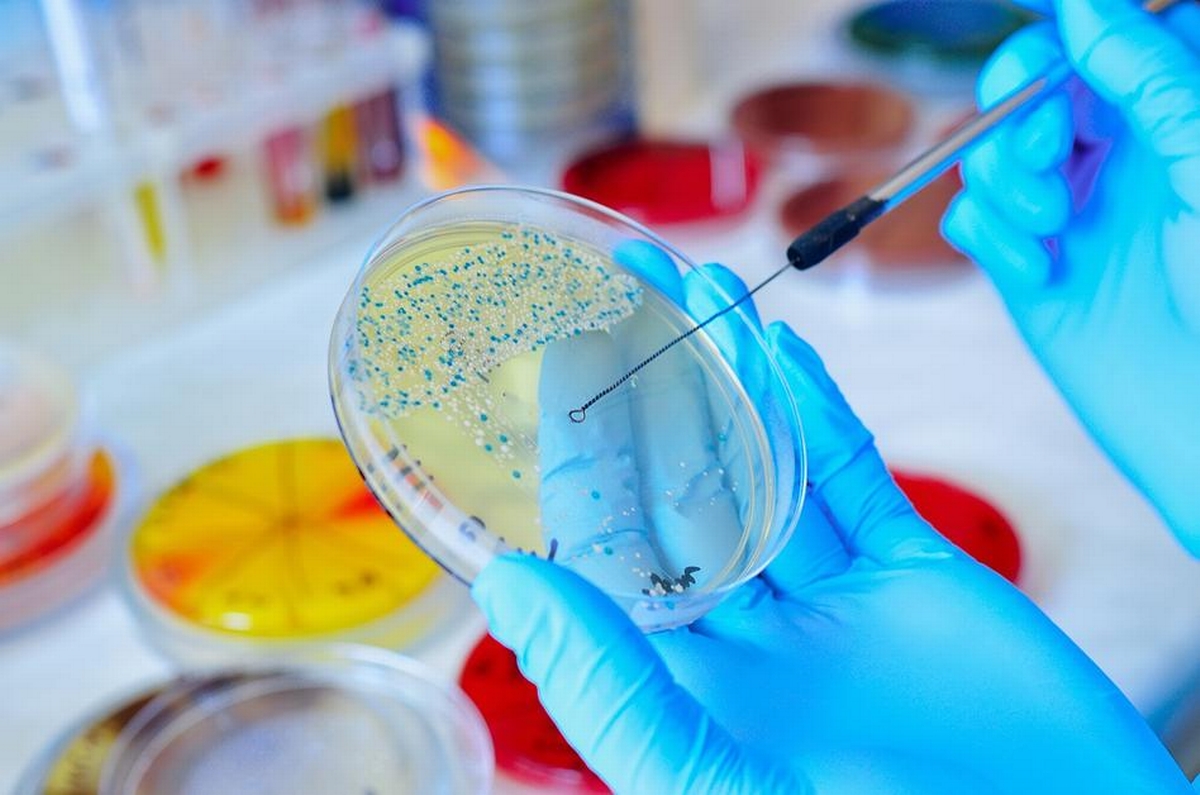
Every homeowner fears the dreaded discovery of mold. From minor surface spotting to musty odors, mold is a nuisance that can escalate into severe health risks and structural damage. With this concern in mind, one may ask, "What temperature does mold die?" This crucial question not only informs preventive actions but can also guide the remedial measures you take. Whether you're a homeowner dealing with a minor outbreak or managing a larger infestation, this information is pivotal. Fortunately, you don’t have to face mold alone. As a leading damage restoration company in Fort Wayne and its nearby communities, Water Out offers the expertise necessary to confront mold challenges and restore your peace of mind.
Mold is a common and opportunistic organism that thrives in environments where moisture and organic material combine. Traditional cleaning methods often fall short of fully solving mold issues as they don’t address the underlying conditions that allow mold to flourish. In this blog, we will explore the science of mold, delve into optimal growth conditions, and, most importantly, identify effective temperature thresholds for eliminating mold. By understanding these factors, you’ll be better prepared to prevent future infestations and make informed decisions if you encounter mold growth.
The Basics of Mold: What You Need to Know
Mold is a type of fungus characterized by its ability to grow in colonies under conditions that provide adequate moisture and organic material. It can thrive almost anywhere, both indoors and outdoors. Mold reproduces through tiny spores that float through the air, making it pervasive and sometimes difficult to control. This fundamental understanding of mold biology is the first step in forming effective prevention and elimination tactics.
The conditions for mold growth are particularly relevant for understanding how to tackle an infestation. Mold requires warmth, moisture, and a food source to survive and proliferate. These conditions are commonly found in areas of a home that experience water damage, or places with poor ventilation, such as basements, bathrooms, or attics. Homeowners often turn to moisture control and air purification as initial measures against mold, but understanding "what temperature does mold die" can significantly boost your mold remediation efforts.
Exploring the Temperatures That Affect Mold Growth
Temperature is a critical factor influencing mold development and dormancy. While mold can survive in a variety of temperature ranges, extreme temperatures can inhibit its ability to thrive:
- Below Freezing Temperatures: Mold isn’t necessarily killed by freezing temperatures, but it becomes dormant. Cold does not destroy mold spores but temporarily halts their ability to grow and spread.
- Below Room Temperatures (60°F-70°F): At temperatures around 60°F, mold growth is significantly slowed but not entirely stopped. This temperature does not kill mold.
- Room Temperatures (70°F-85°F): Mold growth occurs most effectively in this range, as it provides optimal conditions for spore colonization and reproduction.
- High Temperatures (Above 100°F): While heat can inhibit mold to some extent, most household conditions rarely sustain such high temperatures. Mold dies more effectively at temperatures above the 140°F range; however, reaching this temperature uniformly and safely in a residential environment can be challenging.
It is important to note that achieving the temperature needed to kill mold must be sustained and properly executed to ensure full effectiveness. The temperature not only needs to kill active mold but also prevent regrowth.
The Role of Heat Treatments in Mold Remediation
Heat treatments have become increasingly popular in mold remediation, as they are a chemical-free method of addressing mold infestations. When evaluating "what temperature does mold die," heat treatment is often cited as a scientifically grounded strategy:
- Heat Application: Professionals can use industrial heaters to bring affected areas to high temperatures, effectively neutralizing mold and reducing humidity levels. This approach ensures thorough saturation of heat, even to hidden or porous areas.
- Controlled Environment: To maximize effectiveness, professional heat treatments are conducted under controlled conditions. This precise method can effectively reach the mold-killing temperature without harming the home’s infrastructure or creating unsafe conditions.
- Complementary Strategies: In addition to applying heat, mold remediation often involves modifying the environment, such as fixing water leaks and improving ventilation, to prevent the mold from returning. These are critical in the water damage restoration in Fort Wayne, IN, ensuring that once mold is eradicated, it stays gone.
Prevention and Maintenance: Keeping Mold at Bay
Once you've understood how to kill mold through temperature management, the next step is maintaining a mold-resistant environment. This involves monitoring moisture levels and ensuring proper ventilation. Regular home maintenance can go a long way in preventing conditions conducive to mold growth. Homeowners should look for leaks, ensure gutters are functioning correctly, and use dehumidifiers in damp areas.
Maintaining a well-ventilated and dry home environment is instrumental. Rooms that are prone to moisture, like bathrooms and kitchens, benefit immensely from extractor fans and regular sunlight, which can also help keep humidity levels low. These measures are in line with the larger scope of mold remediation in Fort Wayne.
Why Professional Help Matters
Though informed DIY solutions can mitigate minor mold problems, severe cases often require professional intervention. Expert teams bring specialized equipment and extensive knowledge. They understand the nuances of mold species and can handle infestations efficiently and safely. They also offer insights on sealing and restoring compromised areas, further protecting your home from future mold threats.
Engaging a professional service like Water Out, whether for mold removal, commercial restoration, or reconstruction in areas like Columbia City, ensures comprehensive solutions that aren’t easily attained via DIY attempts. Professionals bring reassurance and long-term protection, crucial elements for any homeowner facing serious mold problems.
Transforming Your Environment: Take Control Today
Mold doesn’t have to control your environment. With the right knowledge and professionals by your side, you can claim victory over this persistent issue. From fully understanding "what temperature does mold die" to employing strategic heat treatments, each step empowers you to tackle mold effectively. Let Water Out guide you through this process as your trusted resource for mold remediation and other restoration services, turning your house back into the safe haven it was meant to be. If you're in need of water damage restoration or mold remediation in Bluffton, don't hesitate to reach out to the experts at Water Out. Their comprehensive services ensure your home remains safe, healthy, and mold-free.
Archive Category
Recent Posts
-

September 9, 2026
How Long Does It Take for Water to Damage Wood? What to Know
-
September 7, 2026
Laminate Flooring Warning Signs: Could Mold Be Hiding Underneath?
24-Hour Emergency Response
The Water Out team is on-call 24-hours a day, 7 days a week. Our technicians will be at your property in 60 minutes or less.
24 Hrs - Call Now (260) 489-2070