
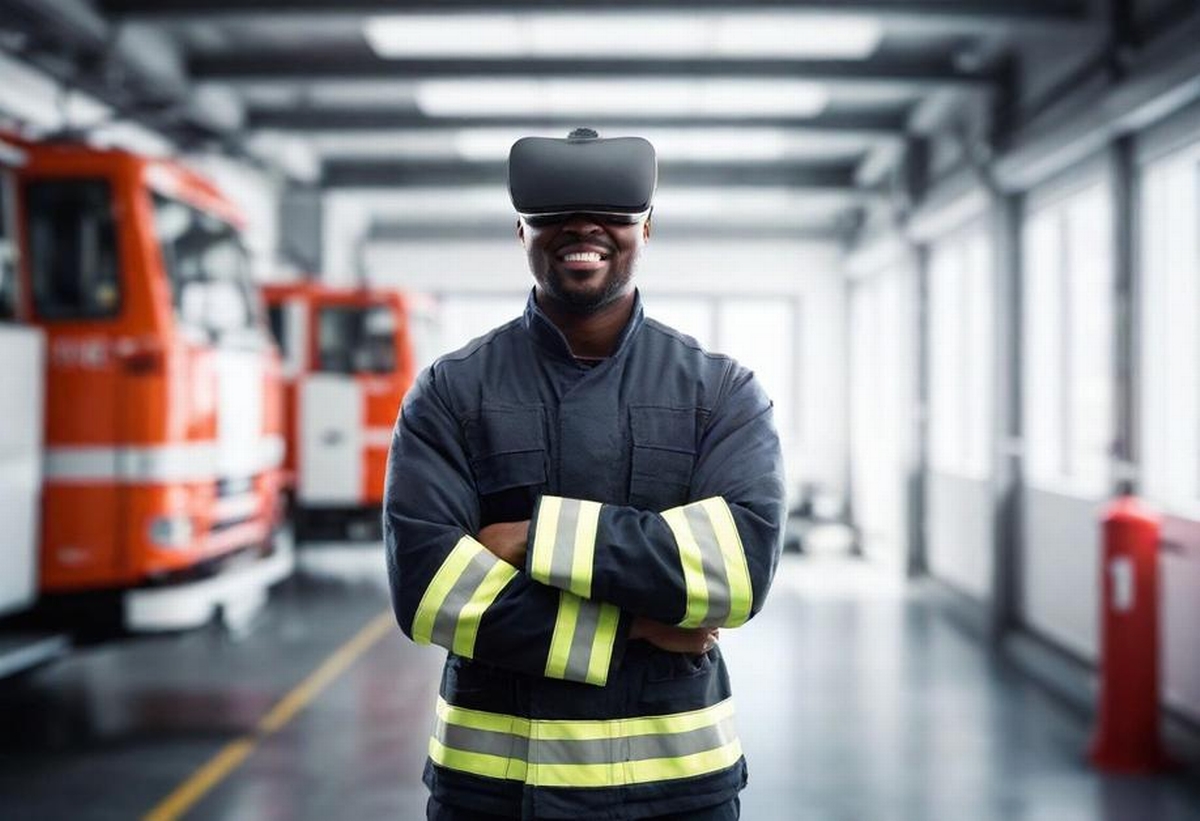
Ever thought of a world where emergency response teams can practice critical scenarios in a realistic yet risk-free environment? Picture firefighters navigating virtual blazes or medical personnel performing emergency procedures without fear of real-world consequences. This isn't a distant future-it's the present reality enabled by Virtual Reality (VR) in emergency response training. As industries increasingly turn to immersive technologies, VR stands out as a revolutionary tool transforming how we prepare for crises.
Virtual Reality offers unparalleled opportunities for tailored, interactive training experiences. In sectors where seconds can mean the difference between life and death, proficiency is paramount. VR not only enhances traditional training methods but also provides solutions to logistical and financial constraints often faced by emergency services. This article will explore the top five benefits of integrating VR into emergency response training, delving into its transformative impact on preparedness and proficiency.
For those in Fort Wayne, IN, and beyond, understanding these benefits could be pivotal in enhancing public safety infrastructure. Engaging with these insights can empower companies, like damage restoration companies in Fort Wayne, to optimize their emergency response plans effectively.
1. Enhanced Realism Without the Risk
Immersive Simulations
Virtual Reality enables trainees to experience highly realistic scenarios that mimic diverse emergency situations-fire outbreaks, natural disasters, or chemical spills-without any of the associated risks. This immersive technology allows first responders to practice their responses and decision-making processes without the physical hazards involved in actual incidents. According to a study by the National Fire Protection Association, training in VR can increase retention rates by up to 75%.
2. Cost-Effective Training Solutions
Financial Savings
Traditional emergency response training often involves significant expenses from equipment, logistics, and physical training facilities. Conversely, VR drastically reduces these costs by offering virtual environments that eliminate the need for physical resources. The upfront investment in VR technology is offset by long-term savings, making it a budget-friendly emergency response planning tool.
3. Repetitive Practice and Performance Tracking
Unlimited Training Scenarios
Virtual Reality removes limitations on repetitive practice, allowing responders to conduct drills repeatedly until proficiency is achieved. This capability is invaluable not only in mastering standard procedures but also in adapting to dynamic and unpredictable scenarios.
Performance Analytics
VR platforms often integrate with analytics tools that capture performance metrics, providing detailed insights into trainees' strengths and areas needing improvement. This data-driven approach informs instructors how to tailor training sessions to focus on observed weaknesses.
4. Safe Training for High-Risk Scenarios
Stress-Free Learning
For emergency responders, particularly newcomers, training in high-stress, high-risk scenarios can be daunting if managed poorly. VR offers a controlled environment that mitigates stress while allowing exposure to these critical scenarios, gradually building confidence and reducing anxiety.
5. Flexibility and Accessibility
Remote Training Capabilities
One of the paramount benefits of VR is its ability to deliver training anywhere, anytime. This flexibility is especially crucial in widespread agencies or volunteer-based organizations where congregating all members for physical training is logistically challenging.
Accessibility in Fort Wayne
The deployment of VR technology in emergency response planning across Fort Wayne has demonstrated enhanced accessibility in volunteer training programs, significantly improving participation and engagement rates.
Potential for Diverse Training
VR allows for the inclusion of a wide array of scenarios, fostering inclusivity by accommodating participants with different learning needs or physical limitations. This democratization of training can result in a more prepared, diverse workforce capable of meeting various emergency challenges.
Partner with Water Out to Integrate VR into Your Response Strategy
Virtual Reality is revolutionizing how emergency response teams prepare, train, and succeed in managing crises in your area, like water damage restoration in Ari or fire damage restoration in Berne, for instance. The benefits of enhanced realism, cost-effectiveness, repetitive practice, safe scenario training, and flexible accessibility make VR an indispensable asset in modern emergency response planning.
For organizations interested in harnessing these benefits, reaching out to experts like Water Out in Fort Wayne is an excellent first step. By integrating VR into their emergency response frameworks, businesses, and public service agencies can significantly increase their preparedness and resilience.
Ready to revolutionize your emergency response training? Explore Water Out's services to discover how our budget-friendly emergency response planning solutions can help you integrate VR for enhanced efficiency and safety. Contact us to get started on building a robust emergency readiness foundation today!
Archive Category
Recent Posts
-

September 9, 2026
How Long Does It Take for Water to Damage Wood? What to Know
-

September 7, 2026
Laminate Flooring Warning Signs: Could Mold Be Hiding Underneath?
24-Hour Emergency Response
The Water Out team is on-call 24-hours a day, 7 days a week. Our technicians will be at your property in 60 minutes or less.
24 Hrs - Call Now (260) 489-2070