

As a landlord, your responsibilities extend beyond just providing a roof over your tenants' heads. One critical, yet often overlooked, aspect is dealing with mold growth. Understanding and fulfilling your mold landlord responsibilities is crucial not only for the health and safety of your tenants but also for protecting the value of your property. Mold issues can proliferate quickly, causing damage to the structure of the building and potentially leading to costly repairs. Additionally, landlords can benefit from utilizing damage restoration services in Fort Wayne to address mold problems promptly and efficiently.
Awareness of these responsibilities is essential for landlords aiming to maintain their property in prime condition and ensure tenant satisfaction. Ignoring mold issues could lead to legal disputes, negative reviews, or loss of tenants. Therefore, it's vital for landlords to be proactive, well-informed, and ready to act when signs of mold appear. Within this discussion, you'll discover the seven key responsibilities that every landlord should know about managing and mitigating mold issues, ensuring the maintenance of a safe and healthy living environment.
Understanding Mold and Its Causes
Mold is a type of fungus that thrives in moist environments and can grow on numerous surfaces such as walls, ceilings, and floors. Left unchecked, it can lead to structural damage and health problems for tenants, including respiratory issues and allergic reactions. Mold growth is often the result of water intrusion or high humidity levels, making it common in areas that experience significant rainfall or have inadequate ventilation.
Landlords need to understand the common causes of mold and how it develops. Water leaks from pipes, roofs, or windows are typical culprits. Plus, high humidity from poor ventilation, particularly in kitchens and bathrooms, can exacerbate mold problems. Equipped with this knowledge, landlords can take preventive measures to minimize the risk of mold development on their properties.
Conducting Regular Inspections
It's crucial for landlords to conduct regular inspections to identify potential mold issues early. Regular checks mean potential issues can be detected before they become severe, saving time and money in the long run. These inspections should focus on areas prone to moisture, such as basements, attics, bathrooms, and around any plumbing fixtures.
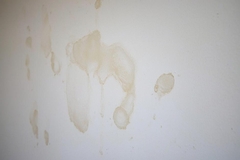
During inspections, landlords should look for signs such as musty odors, visible mold, or water stains. Addressing these issues promptly can prevent mold from spreading and causing more complicated damage. If you discover mold during an inspection, it’s essential to hire professionals to determine the extent of the problem and recommend the best course of action.
Ensuring Proper Ventilation and Sealing
Effective ventilation and sealing are critical in preventing mold growth. Landlords should ensure that all areas of their property have adequate ventilation. This includes installing exhaust fans in bathrooms and kitchens, which can help reduce humidity levels. It might also be necessary to evaluate the property’s HVAC system to ensure it’s effectively reducing moisture and circulating air throughout the building.
In addition to ensuring good ventilation, landlords should also focus on sealing. Properly sealing windows, doors, and roofs can prevent water from entering the building and creating conditions conducive to mold growth. Faulty or damaged seals should be repaired immediately to prevent moisture problems.
Quick Response to Water Incidents
In the aftermath of water-related incidents, such as a burst pipe or severe storm, it is vital for landlords to respond quickly to minimize the risk of mold development. Mold can begin to grow within 24 to 48 hours under suitable conditions, making a timely response critical. Implementing immediate measures to dry out affected areas and fix leaks can prevent mold issues from escalating and becoming a significant problem.
Engaging professionals for water damage restoration in Fort Wayne and its nearby neighborhoods is advisable to ensure that all moisture is adequately removed and any repairs are expertly carried out. This professional intervention can stop mold in its tracks and protect the property from further damage.
Tenant Communication and Education
Landlords must educate tenants about the signs and dangers of mold. Providing them with information on how to prevent mold growth, such as maintaining proper ventilation and addressing leaks promptly, can significantly reduce mold-related issues. It's also essential to have open channels of communication where tenants feel comfortable reporting any concerns or signs of mold immediately.
Having a clear policy in place for reporting and handling mold complaints will direct tenants on precisely what to do, ensuring you’re informed about issues promptly. Encourage your tenants to report problems without delay to prevent small issues from turning into costly repairs.
Repair and Maintenance Obligations
Landlords have a legal responsibility to maintain their properties and address any repairs promptly, especially those that could lead to mold development. This includes fixing leaks, repairing damaged roofing, cleaning gutters, and ensuring all ventilation systems are in working order. A commitment to timely repair and maintenance is indicative of a responsible landlord and can significantly mitigate mold risks.
For complex repairs or persistent mold problems, hiring a mold remediation service becomes necessary. Experts like the team at Water Out can ensure the mold is thoroughly addressed, reducing the potential for its return and maintaining a healthy living environment for tenants.
Compliance with Legal and Insurance Standards
Understanding and complying with local laws and federal regulations regarding mold is a vital aspect of being a landlord. Some jurisdictions have specific requirements for disclosure of mold issues or maintenance standards that landlords must meet. Ignorance of these regulations can result in fines or legal issues, emphasizing the importance of compliance.
Additionally, reviewing your insurance policy is crucial to understanding the extent of coverage provided for mold-related damages. This can offer peace of mind and financial protection should a mold issue arise.
Ensuring Sturdy Construction
The structural integrity of your building is a significant factor in mold prevention. Addressing issues such as poorly sealed windows, inadequate insulation, and improper grading around the foundation can help keep moisture out of the property. Consulting with construction professionals may offer insights into improvements or renovations that could help in reducing the risk of mold growth.
Addressing Tenant Reports Swiftly
When a tenant reports an issue that may relate to mold, swift action is necessary. A fast response to tenants' mold-related concerns shows a commitment to their well-being and can be vital in preventing larger problems from developing. Once notification of a potential mold issue is received, promptly investigate, and take corrective measures to resolve the matter as soon as possible.
If the mold issue proves difficult or extends beyond simple fixes, it's time to involve mold remediation professionals. They have the tools and expertise to effectively tackle mold problems and prevent recurrence, ensuring the property remains a safe and healthy living environment.
Mold Remediation Expertise
Utilizing professional mold remediation in Fort Wayne ensures that any mold issue is handled efficiently and effectively. Professionals bring the knowledge and equipment necessary to not only remove existing mold but also address its root causes, preventing future occurrences. This approach protects the landlord's investment and provides a safe environment for tenants.
Professional Support for Mold Landlord Responsibilities
Understanding mold landlord responsibilities goes a long way in maintaining property value and tenant satisfaction. By taking proactive steps in prevention, maintenance, and remediation, landlords can ensure a healthy, mold-free environment for their tenants. Should you encounter a significant mold issue, consider the professional services of Water Out. Our team of experts is ready to assist with mold challenges as well as water damage restoration in Garrett, commercial restoration, and more across the Fort Wayne, IN area. Protect your investment and ensure your tenants enjoy a safe living environment by reaching out to us today.
Archive Category
Recent Posts
-
June 15, 2026
Types of Drywall Damage From Water and Fire
-

June 3, 2026
Understanding at What Temperature Mold Will Die
24-Hour Emergency Response
The Water Out team is on-call 24-hours a day, 7 days a week. Our technicians will be at your property in 60 minutes or less.
24 Hrs - Call Now (260) 489-2070