
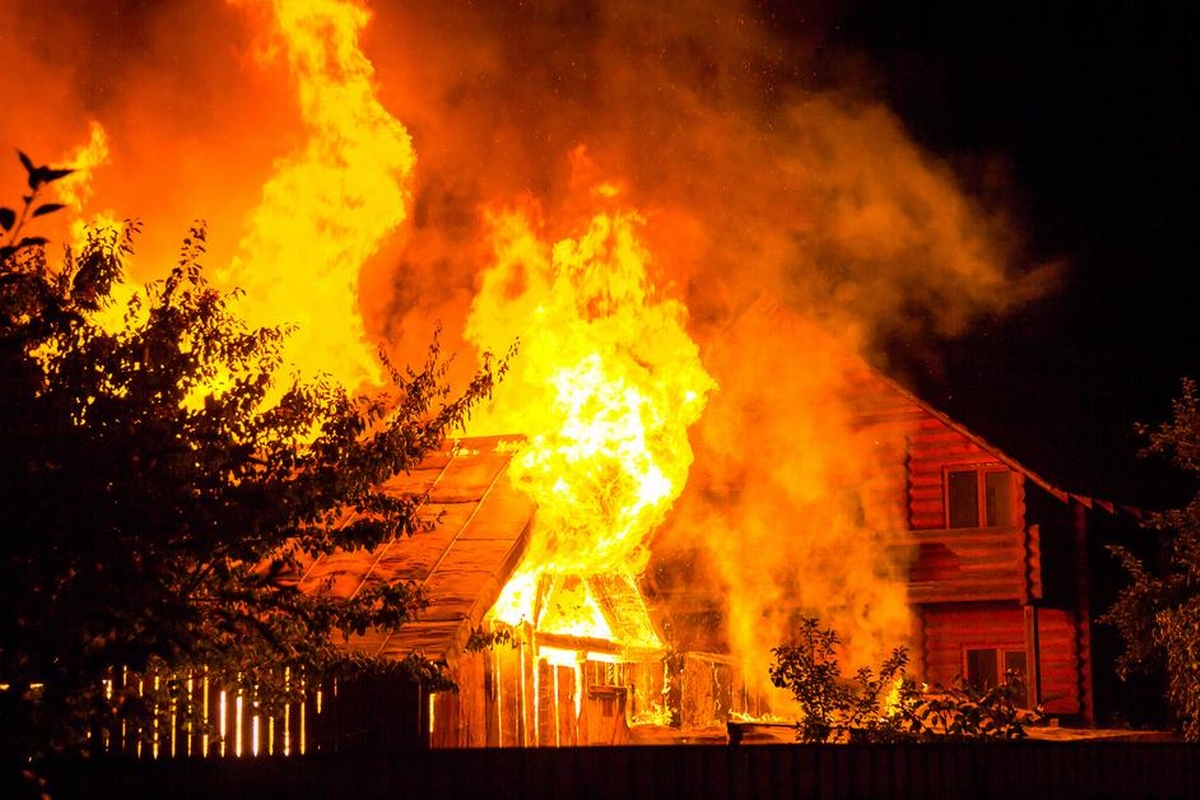
The sight of a raging fire leaves an indelible mark on our collective memory, its power to devastate and renew captured in countless narratives throughout history. This begs the question: is a fire a natural disaster, or is it a man-made event? With emergency restoration services in Fort Wayne, this understanding becomes pivotal. It's a question that doesn't just impact our academic curiosity but also shapes how societies prepare for and respond to such events. Let's dive deeper into the nature and origins of fires to unravel this complex issue.
Before exploring further, it's important to recognize that fires can indeed be both natural and man-made events. They manifest naturally through phenomena like lightning strikes and spontaneous combustion of dry vegetation. Conversely, human activities such as unattended campfires, discarded cigarette butts, and faulty electricity can also ignite fires. Understanding the causes behind these fires offers valuable insights into prevention and response strategies.
Natural Origins of Fires
Fires resulting from natural causes have occurred for millions of years, playing a vital ecological role by stimulating new vegetation growth, regulating ecosystems, and facilitating the reproduction of certain plant species. Lightning-induced fires are perhaps the most common form of naturally occurring blazes. These fires often occur in regions with dense, dry vegetation, where lightning can easily ignite tinder.
Another natural cause includes volcanic eruptions, where lava flows ignite surrounding landscapes. In regions near volcanic activity, thermal activity can also lead to spontaneous ignition under the right conditions. A fascinating aspect of naturally occurring fires is their role in ecological balance, helping to clear dead biomass and promote biodiversity. These fires show us that not all flames are detrimental; sometimes, they provide necessary renewal.
Human Activities and Fire
While natural fires do occur, human influence plays a significant role in the frequency and intensity of fires today. Whether due to negligence or accident, human activities account for a substantial portion of blazes worldwide. For example, fragments of incomplete human activity like electrical faults, improper disposal of flammable materials, and arson contribute significantly to wildfire occurrences.
Urbanization's encroachment on forests and grasslands also means that human settlements are often situated in areas susceptible to natural fires. As a result, the line between natural and human-caused fires blurs, complicating restoration and prevention efforts. In Fort Wayne, IN, where emergency restoration services are paramount, understanding these human factors is crucial.
The Role of Climate Change
Climate change further complicates this discussion by altering natural fire patterns. Rising temperatures and prolonged droughts create conditions conducive to fire outbreaks. With drier woodlands, more frequent lightning storms, and extended fire seasons, the likelihood of blazes increases. This scenario presents more challenges in differentiating between natural and man-made causes, as human-induced climate change affects natural phenomena.
In response, the restoration industry, including fire damage restoration in Fort Wayne and beyond, continually adapts to these changing dynamics. Awareness of how climate change contributes to fire vulnerability helps refine assessment and intervention strategies.
The Restoration Perspective
From a restoration perspective, the distinction between natural and man-made fires influences the immediate response and long-term management strategies. Restoration companies, like us at Water Out, must quickly assess the circumstances surrounding a blaze. Is it the aftermath of a sprawling natural disaster or the result of human error? This knowledge dictates the necessary tools and approaches needed to mitigate damage, restore properties, and prevent future incidents.
The Dual Challenge of Fires
Successfully managing fire-related disasters relies on acknowledging both natural and human aspects. Prevention strategies should encompass fire-proofing measures such as firebreaks in fire-prone areas, proper maintenance of electrical systems, and public education on fire safety.
- Proactive Measures: Establish firebreaks, particularly in forested or dry regions.
- Public Education: Initiatives to spread awareness about safe practices involving fire.
- Enhanced Detection: Implementing advanced monitoring systems and technologies for early detection and intervention.
These comprehensive measures can reduce the impact of both natural and human-caused fires, ultimately aiding in recovery and resilience.
Navigating the Grey Areas
As regions like Fort Wayne, IN, continue to experience varied fire incidents, it's imperative for restoration services to offer a nuanced approach. This involves assessing the mechanics behind fire incidents and employing specialized methods for efficient recovery. Restoration tasks can range from water damage restoration in affected areas to mold remediation in damp environments. Understanding the connection between fire and subsequent environmental conditions helps us craft a comprehensive restoration plan.
The convergence of nature and human activity in fire occurrence exemplifies the intricacies involved in addressing blazes. Is a fire a natural disaster? Yes, but it can also be an outcome of human actions or a combination of both. Recognizing this complexity enables strategic planning and restoration.
Looking Ahead: Community and Restoration
For communities to thrive despite the threat of fires, collaboration with restoration experts becomes essential. Establishing robust preventative measures, understanding local vulnerabilities, and adapting strategies to meet evolving challenges are key. Mold remediation in the Bluffton area is a service ready to complement fire restoration efforts, offering a fuller scope of support post-incidents.
Fires, regardless of their origin, will continue to be part of our ecological and social landscapes. By understanding their dual nature and equipping ourselves with knowledge and resources, we can better face these unpredictable challenges. The need for integrated restoration solutions cannot be overstated. Reach out to Water Out for a consultation and learn how our comprehensive services can support your resilience against fires, helping your community rebuild and recover sustainably.
Archive Category
Recent Posts
-
July 9, 2026
Water Pump Is Leaking: What It Means and What to Do
-

July 7, 2026
How to Keep Water Out of Basement During Heavy Rain
24-Hour Emergency Response
The Water Out team is on-call 24-hours a day, 7 days a week. Our technicians will be at your property in 60 minutes or less.
24 Hrs - Call Now (260) 489-2070