
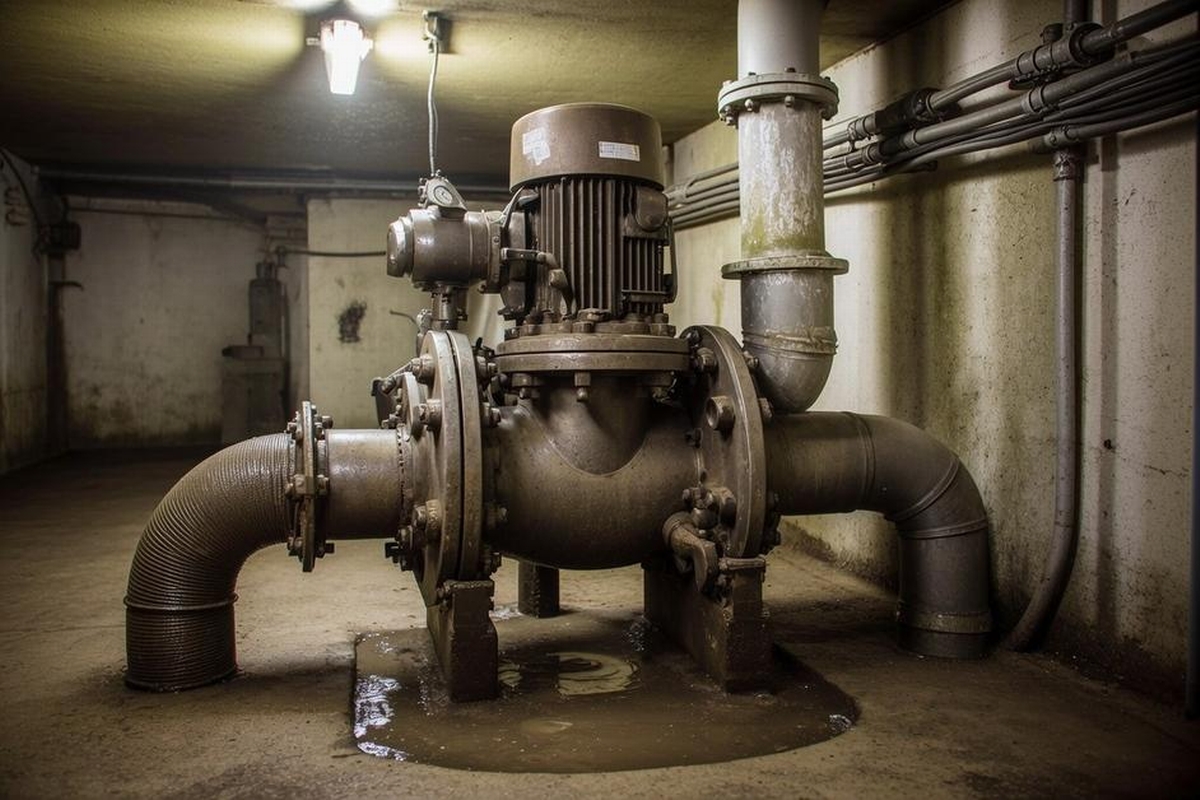
The underappreciated heroes of home plumbing, sewage pumps play a critical role in managing wastewater. From preventing unsanitary backups to enabling water flow from lower levels to higher drainage areas, their function is vital. But how does a sewage pump work? Here's a run-through of its significance and operational mechanics. Whether planning a new plumbing installation or facing unexpected plumbing issues, understanding sewage pumps can save you headaches. Should you encounter plumbing challenges beyond routine maintenance, turn to damage restoration services in the Fort Wayne area. Services like Water Out are well-prepared to assist.
What is a Sewage Pump?
A sewage pump is a device that helps transport wastewater from a plumbing system to a septic tank or sewer line. Primarily, it moves solids and liquids that would otherwise be unable to reach the main sewer lines, ensuring efficient waste disposal and protection against hazardous backups.
How Does a Sewage Pump Work?
A sewage pump operates primarily on a centrifugal pump system designed for moving solids and liquids. Here's how it functions: Wastewater enters a pit, known as a basin, and when the water level reaches a set threshold, a float switch is triggered, activating the pump. The pump then forces the wastewater up through the discharge pipes, navigating it to the main sewage line. This action effectively prevents blockages and potential property damage. Understanding how a sewage pump works is crucial not only for homeowners but also for property maintenance personnel.
Types of Sewage Pumps
Within the world of sewage pumps, there are several variants designed for different applications, including submersible sewage pumps, grinder pumps, and effluent pumps.
- Submersible Sewage Pumps: Most commonly used in residential areas, these pumps are submerged in the sewage basin. They are ideal for below-ground installations, ensuring minimal noise and maximum efficiency.
- Grinder Pumps: These pumps are equipped with cutting blades that macerate larger solids into smaller, more manageable pieces. They are excellent for homes with low-pressure conditions and where waste needs to be pushed over long distances.
- Effluent Pumps: Typically used in septic systems, effluent pumps move the clarified effluent (liquid waste) from the septic tank to a leach field or secondary treatment system.
Understanding these types will enable you to choose the appropriate pump for your specific needs, ensuring that your sewage system operates flawlessly.
Benefits of a Sewage Pump
A well-functioning sewage pump provides several benefits. First and foremost, it helps prevent waste overflow, which can lead to serious sanitation issues. By ensuring a smooth flow even in challenging terrain, a sewage pump can facilitate home expansions and basement bathrooms. Additionally, sewage pumps can enhance property value by supporting modern plumbing solutions, thus broadening renovation possibilities.
Challenges Associated with Sewage Pumps
As with any mechanical device, sewage pumps can present challenges. The most common issues arise from clogs, mechanical failures, and electrical problems. Overwhelm your system with inappropriate materials, such as paper towels or feminine hygiene products, and you're bound to experience blockages. Electrical issues may result in the float switch failing to activate, while mechanical problems often involve wear and tear, which can lead to decreased efficiency or complete malfunction.
Identifying Signs of Sewage Pump Failure
Recognizing the signs of a failing sewage pump can prevent costly repairs. Key indicators include unusual noises, foul odors, slow draining, and frequent clogs. If you notice signs of failure, consider consulting a professional before the problem escalates. Ensuring timely maintenance can safeguard against extensive damage.
Cleaning and Maintenance
Routine maintenance of your sewage pump is essential for its longevity. Regular cleaning, inspecting the float switch, and checking for debris buildup will keep your pump in good condition. It's advisable to perform a thorough inspection at least once a year. During this time, drain the basin, clean any sediment, and check for worn-out parts, replacing them as necessary.
When to Call a Professional
While DIY maintenance can tackle minor issues, certain problems require the expertise of a professional. If your sewage pump consistently trips circuit breakers, runs continuously, or fails to activate, it's time to seek help. Companies offering water damage restoration and sewage cleanup in Fort Wayne provide skilled technicians capable of diagnosing and addressing complex issues quickly.
The Future of Sewage Pumps
With advances in technology, sewage pumps are becoming smarter and more efficient. Features like remote monitoring and automated alerts are being integrated into pump systems, allowing for preemptive maintenance and energy efficiency. These innovations cater to modern conveniences and aim to minimize environmental impact.
Protecting Your Home
Preventing sewage backups starts with being aware of sewage pump functionality. Simple actions, like keeping unsuitable materials out of your plumbing, can drastically reduce the risk of malfunctions. However, for repairs or installations, tapping into professional services remains advisable.
Contact Water Out for Comprehensive Restoration Services
In the maze of maintaining home infrastructure, sewage pumps remain an intricate puzzle piece. Facilitating crucial waste management, they ensure that your home's plumbing operates smoothly and effectively. When in Fort Wayne, opt for companies like Water Out for critical damage control services, ranging from sewage cleanup to mold remediation.
Whether you need water damage restoration, sewage cleanup, or mold remediation in Grabill or Fort Wayne itself, contacting trusted professionals like Water Out will ensure smooth sailing when plumbing challenges arise.
Archive Category
Recent Posts
-
July 21, 2026
Storm Damage Tree Removal Cost and What Affects Pricing
-

July 17, 2026
Using Vinegar to Clean Mold on Wood: Does It Work
24-Hour Emergency Response
The Water Out team is on-call 24-hours a day, 7 days a week. Our technicians will be at your property in 60 minutes or less.
24 Hrs - Call Now (260) 489-2070